
If your child has been recommended for Applied Behavior Analysis (ABA) therapy, you might be wondering what actually happens during a session—especially when it takes place in your own home. In-home ABA therapy is the most popular service model for Maryland families, offering personalized treatment in a comfortable, familiar environment.
This guide walks you through a typical in-home ABA session from start to finish, helping you understand what to expect, how to prepare, and how you can actively participate in your child’s progress. New to ABA? Start with our complete parent guide to ABA therapy in Maryland.

Why Families Choose In-Home ABA Therapy
In-home ABA therapy offers several unique advantages that make it the preferred choice for many Maryland families:
Natural Environment: Skills are taught where they’ll actually be used—your home
Family Involvement: Parents can observe and participate in real-time
Reduced Stress: No travel means less disruption to daily routines
Personalized Setting: Therapy addresses real challenges in your child’s space
Sibling Integration: Brothers and sisters can be included when appropriate
Consistent Routines: Sessions can align with your family’s natural schedule
Before the Session: Preparation Steps
A little preparation goes a long way in making sessions successful. Here’s what typically happens before therapy begins:
Initial Assessment
Before regular sessions begin, a Board Certified Behavior Analyst (BCBA) will conduct a comprehensive assessment. This includes:
- Observing your child in different situations
- Interviewing parents about behaviors, challenges, and goals
- Using standardized assessment tools
- Creating an individualized treatment plan
Preparing Your Home
You don’t need a perfect house—just a safe, reasonably organized space. Consider:
- Designating a consistent area for sessions (living room, playroom, etc.)
- Having your child’s favorite toys and items accessible
- Minimizing distractions during session times
- Ensuring pets are secured if needed
Anatomy of a Typical In-Home Session
While every session is tailored to your child’s needs, here’s what a typical 2-3 hour in-home ABA session looks like:
1. Arrival & Warm-Up (10-15 minutes)
The Registered Behavior Technician (RBT) arrives and greets your child. This transition period includes:
- Brief check-in with parents about the day
- Engaging your child in preferred activities to build rapport
- Setting up materials needed for the session
2. Structured Learning Time (45-60 minutes)
This is when direct teaching occurs. The RBT works on specific goals from your child’s treatment plan:
- Communication skills (requesting, labeling, conversation)
- Social skills (taking turns, following instructions)
- Daily living skills (brushing teeth, getting dressed)
- Academic readiness (letters, numbers, colors)
3. Natural Environment Teaching (30-45 minutes)
Learning through play and natural activities. This might include:
- Playing games that reinforce social skills
- Practicing skills during snack time
- Working on transitions between activities
- Generalizing skills in different areas of the home
4. Parent Collaboration (15-20 minutes)
The RBT shares updates and may demonstrate strategies. This is a key part of parent training:
- Reviewing what was accomplished during the session
- Teaching parents specific techniques to use
- Discussing any challenges or concerns
- Setting up opportunities for practice before next session
5. Wrap-Up & Transition (10 minutes)
The session ends with a positive transition:
- Final preferred activity as reinforcement
- Clean-up routine (teaching responsibility)
- Goodbye routine for smooth closure
What ABA Activities Actually Look Like

ABA therapy is often more fun than people expect! Here are examples of real activities used in sessions:
For Communication Goals
- Using picture cards to request items
- Singing songs with fill-in-the-blank words
- Narrating play activities together
- Reading books and discussing pictures
For Social Skills
- Turn-taking games (board games, ball rolling)
- Pretend play scenarios
- Practice conversations with scripts
- Group activities with siblings
For Daily Living Skills
- Step-by-step hand washing routines
- Getting dressed with visual schedules
- Setting the table for snack time
- Organizing toys and cleanup
For Behavior Goals
- Learning to wait with a timer
- Practicing calm-down strategies
- Following multi-step directions
- Transitioning between activities
Your Role as a Parent During Sessions
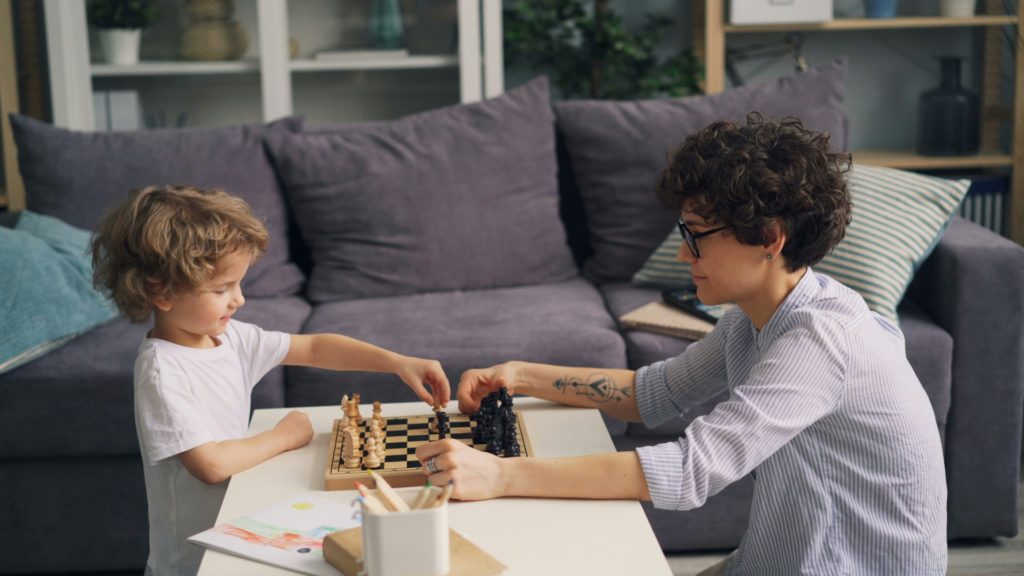
Parent involvement is a key predictor of success in ABA therapy. Here’s how you can participate:
Active Participation Options
Note: It’s also completely acceptable to step away during sessions if that works better for your child’s focus. Every family finds a balance that works for them.
How Progress is Tracked
You might notice your RBT taking notes or using an app during sessions. This data collection is essential to ABA therapy:
- Skill acquisition data: Tracking how often your child demonstrates new skills correctly
- Behavior data: Recording frequency, duration, or intensity of target behaviors
- Prompt level data: Noting how much help your child needs over time
- Generalization data: Whether skills transfer to new situations
This data is reviewed regularly by your BCBA to adjust the treatment plan and ensure your child is making meaningful progress. Learn more about our BCBA supervision process.
Common Questions About In-Home Sessions
How long are sessions?
Most in-home sessions range from 2-4 hours, based on your child’s treatment plan and insurance authorization. Younger children may have shorter sessions.
How many sessions per week?
Frequency varies based on clinical recommendations, typically ranging from 10-40 hours per week. Your BCBA will recommend what’s appropriate for your child.
Will it be the same therapist each time?
Consistency is important. At Ahead ABA, we prioritize assigning the same RBT to your child, though backup therapists may occasionally be needed.
What if my child has a difficult day?
Every child has off days—that’s normal! Your RBT is trained to adapt in the moment, and challenging sessions often provide valuable learning opportunities.